Capturing the beauty of life, one moment at a time.

Unlock the Magic of Natural Light Photography in Fine Art
Discover the magic of natural light photography in fine art. Learn tips and tricks to master this technique and elevate your photography skills.
Introduction
Natural light photography is an art form that captures the beauty of the world in its most authentic and purest state. Photographers have long been enchanted by the way natural light can transform an ordinary scene into a masterpiece. This guide will take you through the magic of natural light in fine art photography, offering tips and tricks to enhance your skills and create stunning images.
The Magic of Natural Light in Fine Art Photography
Understanding Natural Light
Natural light is the light provided by the sun, whether direct or diffused. It changes throughout the day, offering a range of lighting conditions that can be harnessed to create different moods and effects in your photographs.
The Golden Hour
One of the most beloved times for photographers is the golden hour. This period shortly after sunrise and before sunset provides a soft, warm light that enhances colors and adds a magical quality to your photos.
The Blue Hour
The blue hour, occurring just before sunrise and after sunset, offers a cooler, more subdued light. This time of day is perfect for capturing serene and mystical images with a bluish tint.
Midday Light
While often harsh and challenging, midday light can be used creatively. High contrast and strong shadows can add drama and intensity to your photographs.
Direction of Light
The direction from which light hits your subject can dramatically change the appearance of your photos. Front lighting, side lighting, and backlighting each offer unique possibilities.
Diffused Light
Overcast days provide diffused light, which softens shadows and highlights. This even lighting is ideal for portraits and macro photography.
Mastering Natural Light Photography
Planning Your Shoot
Understanding the weather and light conditions for the day can help you plan your shoot effectively. Use weather apps and check sunrise and sunset times to make the most of natural light.
Choosing the Right Location
Select locations that complement natural light. Open fields, beaches, and urban environments offer different opportunities to play with light and shadow.
Camera Settings for Natural Light
Learn to adjust your camera settings to match the lighting conditions. Use manual mode to control ISO, aperture, and shutter speed for the best results.
The Role of Reflectors
Reflectors can be invaluable tools in natural light photography. They help bounce light onto your subject, reducing shadows and adding depth to your images.
Utilizing Natural Reflectors
Natural reflectors such as water, sand, and white walls can enhance your photographs by reflecting sunlight in creative ways.
Tips for Capturing Stunning Natural Light Photos
Experiment with Angles
Changing your shooting angle can dramatically alter the look of your photos. Experiment with different perspectives to find the most flattering light.
Focus on Details
Natural light can highlight intricate details. Focus on textures, patterns, and small elements to create compelling images.
Embrace Shadows
Shadows add depth and dimension to your photographs. Use them creatively to enhance the visual interest of your images.
Capture the Emotions
Natural light can evoke strong emotions. Capture candid moments and expressions to tell a story through your photos.
Post-Processing Tips
Editing can enhance the natural beauty of your photographs. Use software like Adobe Lightroom to adjust exposure, contrast, and colors while maintaining a natural look.
Common Challenges and Solutions
Dealing with Harsh Light
Harsh light can create unwanted shadows and highlights. Use diffusers or shoot in shaded areas to soften the light.
Managing Low Light
Low light conditions can be challenging. Use a tripod and slower shutter speeds to capture sharp images in low light.
Balancing Light and Shadows
Achieving the right balance between light and shadows is crucial. Practice exposure bracketing to capture a range of exposures and merge them in post-processing.
Avoiding Overexposure
Overexposure can wash out details in your photos. Use the histogram on your camera to monitor exposure levels and adjust settings accordingly.
FAQs
What is the best time of day for natural light photography? The golden hour and blue hour are generally considered the best times for natural light photography due to the soft and flattering light they provide.
How can I make the most of natural light indoors? Position your subject near windows or open doors to take advantage of the available natural light. Use reflectors to bounce light onto your subject.
Can I use natural light for portrait photography? Yes, natural light is excellent for portrait photography. It creates a soft and natural look that enhances the subject's features.
What camera settings should I use for natural light photography? Use manual mode to control ISO, aperture, and shutter speed. Adjust settings based on the lighting conditions to achieve the best results.
How do I handle harsh midday light? Shoot in shaded areas or use diffusers to soften the light. Alternatively, embrace the harsh light to create high-contrast, dramatic images.
What equipment do I need for natural light photography? A camera with manual settings, a tripod, and reflectors are essential tools for natural light photography.
Conclusion
Natural light photography is a beautiful and rewarding art form that allows photographers to capture the world in its most authentic state. By understanding and mastering the nuances of natural light, you can create stunning fine art photographs that evoke emotion and tell a story. Remember to experiment, embrace the challenges, and most importantly, enjoy the magic of natural light in your photography journey.
External Links
For more tips on fine art photography, visit Digital Photography School and iPhotography.

Mastering Shadows and Highlights in Fine Art Photography
Discover expert tips on using shadows and highlights in fine art photography to create stunning visual masterpieces. Master the art of fine art photography with our comprehensive guide.
Introduction
Fine art photography is all about capturing emotions, telling stories, and creating visual masterpieces. One of the most powerful tools in a photographer’s arsenal is the use of shadows and highlights. By mastering these elements, you can add depth, drama, and intrigue to your photographs. In this article, we will explore the importance of shadows and highlights in fine art photography and provide you with ten powerful tips to help you master this art.
Shadows and Highlights: How to Use Shadows and Highlights in Fine Art Photography
Shadows and highlights are fundamental aspects of photography that can make or break an image. They create contrast, emphasize textures, and guide the viewer’s eye. Understanding how to manipulate shadows and highlights will elevate your fine art photography to new heights.
1. Understanding Shadows and Highlights
Definition: Shadows are the dark areas in an image, while highlights are the brightest parts.
Importance: They add depth and dimension to photos, making them appear more three-dimensional and realistic.
2. The Role of Light in Creating Shadows and Highlights
Natural Light: The most common source of light, providing a soft and natural look.
Artificial Light: Offers control over the direction, intensity, and quality of light.
3. The Interaction Between Light and Subject
Angle of Light: Changes how shadows and highlights fall on the subject.
Distance of Light Source: Affects the hardness or softness of shadows.
4. Using Shadows to Create Mood and Atmosphere
Dark Shadows: Convey mystery, drama, or tension.
Soft Shadows: Create a gentle, serene, or romantic atmosphere.
5. Emphasizing Texture with Highlights
Surface Details: Highlights can bring out fine details and textures in your subject.
Directional Lighting: Use side lighting to accentuate textures.
6. Balancing Shadows and Highlights for Dynamic Range
High Dynamic Range (HDR): Combines multiple exposures to capture a wide range of light and dark.
Exposure Bracketing: Technique to achieve a balanced exposure.
7. Creative Use of Shadows and Highlights in Composition
Leading Lines: Use shadows to guide the viewer’s eye through the image.
Framing: Employ shadows to frame your subject creatively.
8. Techniques for Controlling Shadows and Highlights
Diffusers and Reflectors: Modify light to soften shadows or bounce highlights.
Gobos: Block light to create specific shadow patterns.
9. Post-Processing Tips for Shadows and Highlights
Adjusting Exposure: Fine-tune shadows and highlights in editing software.
Dodging and Burning: Selectively lighten or darken areas to enhance contrast.
10. Common Mistakes to Avoid
Overexposure: Avoid blowing out highlights, which lose detail.
Underexposure: Ensure shadows retain some detail and are not pure black.

from On Our Journey Home series.
Title: The Book (2021)
Size: 75 x50 cm ( 30״x 20”) image -Wooden Black frame
Other sizes available upon request.
Paper: Semi mat Archival Photo paper.
Ink: Epson Pro Pigmented Ink
Printer: Bromid Tel Aviv
Edition:10
Certificate of Authenticity signed by Artist Stamp
FAQs
1. Why are shadows and highlights important in fine art photography?
Shadows and highlights add depth, contrast, and dimension to photos, making them more engaging and visually appealing.
2. How can I create dramatic shadows in my photos?
Use a single, strong light source from an angle to cast deep, defined shadows.
3. What is the best time of day to photograph natural shadows and highlights?
Early morning or late afternoon provides soft, directional light that enhances shadows and highlights.
4. How do I avoid harsh shadows in my photos?
Use diffusers to soften the light, or shoot on cloudy days for naturally diffused lighting.
5. Can I correct shadows and highlights in post-processing?
Yes, software like Adobe Lightroom or Photoshop allows you to adjust exposure, shadows, and highlights.
6. What equipment helps in controlling shadows and highlights?
Reflectors, diffusers, gobos, and external flash units are useful tools for managing light.

Conclusion
Mastering the use of shadows and highlights in fine art photography requires practice, experimentation, and a keen eye for detail. By understanding how light interacts with your subject and using the tips provided, you can create stunning, emotionally powerful photographs that captivate your audience. Remember, the key to great photography lies in the subtle interplay of light and shadow.
For further reading on fine art photography, check out this guide and tutorial. Happy shooting!

Capturing Emotion: Mastering the Art of Fine Art Photography
Capturing Emotion Through Fine Art Photography
Importance of Emotion in Photography Emotion is the soul of a photograph. It transforms a simple image into a compelling narrative that resonates with viewers. In fine art photography, capturing emotion is paramount as it evokes feelings, tells stories, and creates a lasting impact.
Understanding Emotion in Photography Emotion in photography goes beyond facial expressions. It encompasses mood, atmosphere, and the overall feeling conveyed by the image. Fine art photography, in particular, relies on the emotional connection between the subject and the viewer to make the artwork memorable.
Pre-Photography Preparation
Concept Development Before you start shooting, developing a clear concept is essential. Think about the emotions you want to capture and the story you wish to tell. This conceptual groundwork will guide your entire photography process.
Storyboarding and Planning Create a storyboard to visualize your ideas. Planning your shots helps ensure that you capture the desired emotions and maintain a cohesive narrative throughout your work.
Essential Equipment for Fine Art Photography
Cameras and Lenses Choosing the right camera and lenses is crucial. High-resolution cameras and prime lenses with wide apertures are ideal for capturing detailed, emotive images.
Lighting Equipment Good lighting can make or break your photos. Invest in quality lighting equipment, including softboxes and reflectors, to control and manipulate light effectively.
Accessories and Props Props can add depth to your images and help convey the desired emotions. Use them thoughtfully to enhance your narrative without overwhelming the scene.
Setting the Mood
Choosing the Right Location The location sets the stage for your photographs. Select places that complement the emotions you aim to capture. Natural settings often provide a serene backdrop for emotional imagery.
Utilizing Natural Light Natural light can create a soft, ethereal atmosphere in your photos. Learn to harness different times of day to achieve various emotional effects.
Using Artificial Light to Create Mood Artificial lighting allows for greater control and creativity. Experiment with different lighting setups to create dramatic, emotional scenes.
Techniques to Capture Emotion
The Power of Composition Composition is key to guiding the viewer's eye and enhancing the emotional impact. Use techniques like the rule of thirds, leading lines, and framing to create compelling compositions.
Importance of Perspective Changing your perspective can dramatically alter the emotional tone of your photos. Experiment with different angles and viewpoints to find the most powerful perspective.
Using Depth of Field Effectively A shallow depth of field can isolate your subject and create a dreamy, intimate feel. Use it to draw attention to the emotional core of your image.
Engaging with Your Subject
Building a Connection with the Subject Establishing a rapport with your subject is crucial. Make them feel comfortable and open up to capture genuine emotions.
Directing Emotions Guide your subject through different emotions to capture a range of expressions. Use prompts and scenarios to evoke the desired feelings.
Capturing Candid Moments Candid shots often reveal the most authentic emotions. Stay observant and ready to capture spontaneous moments.
The Role of Colors in Emotional Photography
Color Theory Basics Understanding color theory helps you use colors to evoke specific emotions. Warm colors like red and yellow can create a sense of warmth and passion, while cool colors like blue and green evoke calmness and tranquility.
Using Colors to Evoke Emotions Incorporate colors thoughtfully to enhance the emotional impact of your photos. Experiment with color combinations to find what works best for your narrative.
Shadows and Highlights
Creating Drama with Shadows Shadows add depth and mystery to your photos. Use them to create dramatic, emotionally charged images.
Enhancing Emotion with Highlights Highlights can draw attention to specific areas and enhance the emotional intensity. Balance them with shadows to create a dynamic range.
Post-Processing Techniques
Essential Editing Tools Use editing tools to enhance the emotions in your photos. Software like Adobe Photoshop and Lightroom offers powerful features for fine-tuning your images.
Enhancing Emotions in Post-Processing Adjust contrast, saturation, and other settings to amplify the emotional tone. Be careful not to overdo it; subtle adjustments often work best.
Adding Artistic Elements Incorporate artistic elements like textures, overlays, and filters to add a unique touch to your photos.
Incorporating Texture and Detail
Capturing Textures Textures add a tactile quality to your images, making them more engaging. Look for interesting textures in your surroundings and incorporate them into your compositions.
Highlighting Details Details can convey emotions powerfully. Focus on small elements like a tear, a smile, or a gesture to tell a deeper story.
Storytelling through Fine Art Photography
Creating a Narrative A strong narrative enhances the emotional impact of your photos. Plan your shots to tell a cohesive story that resonates with viewers.
Conveying a Message Think about the message you want to convey through your work. Use visual elements to communicate your ideas clearly.
Capturing Movement and Motion
Techniques for Capturing Motion Motion can add a dynamic, emotional quality to your photos. Use techniques like panning and long exposure to capture movement effectively.
Using Blur for Emotional Impact Blur can create a sense of motion and energy. Use it to convey emotions like excitement, chaos, or serenity.
Experimenting with Abstract Photography
What is Abstract Photography? Abstract photography focuses on shapes, colors, and textures rather than clear subjects. It allows for creative expression and emotional exploration.
Techniques for Creating Abstract Images Experiment with different techniques like macro photography, reflections, and intentional camera movement to create abstract images that evoke emotions.
The Importance of Timing
Capturing the Perfect Moment Timing is crucial in capturing authentic emotions. Anticipate moments and be ready to shoot at the right time.
Understanding Timing in Photography Learn to recognize the right moment to capture emotions. Practice patience and observation to improve your timing skills.
Utilizing Different Angles and Perspectives
Finding Unique Angles Unique angles can add interest and emotional depth to your photos. Experiment with high, low, and unconventional angles to find the most impactful perspective.
Experimenting with Perspectives Different perspectives can change the way emotions are perceived. Try shooting from various viewpoints to discover new emotional dimensions.
The Art of Minimalism
What is Minimalist Photography? Minimalist photography focuses on simplicity and the use of negative space. It emphasizes the emotional power of minimal elements.
Capturing Emotion through Minimalism Use minimalism to highlight the core emotions in your photos. Focus on essential elements and eliminate distractions.
Black and White Photography
The Power of Monochrome Black and white photography strips away color, emphasizing form, texture, and emotion. It can create a timeless, powerful impact.
Techniques for Capturing Emotion in Black and White Use contrasts, shadows, and highlights to create striking black and white images that evoke strong emotions.
Fine Art Photography Styles
Traditional Fine Art Photography Traditional fine art photography often involves classic techniques and subjects. It emphasizes beauty, composition, and emotional depth.
Contemporary Fine Art Photography Contemporary fine art photography explores modern themes and experimental techniques. It often challenges conventional ideas and evokes complex emotions.
Building a Portfolio
Selecting Your Best Work Choose your most compelling images that best capture emotions. Aim for a cohesive collection that tells a story.
Creating a Cohesive Collection Ensure your portfolio has a consistent style and theme. This creates a stronger emotional impact and a clear artistic voice.
Promoting Your Fine Art Photography
Utilizing Social Media Social media platforms are powerful tools for showcasing your work and reaching a wider audience. Engage with followers and share your emotional narratives.
Building an Online Presence Create a professional website to display your portfolio. Use SEO techniques to make your site discoverable to those searching for fine art photography.
Exhibiting Your Work
Preparing for Exhibitions Select your best work and prepare it for display. Ensure your images are printed and framed to high standards.
Engaging with Your Audience Interact with viewers during exhibitions. Share the stories and emotions behind your work to create a deeper connection.
Learning from the Masters
Studying Iconic Fine Art Photographers Study the work of iconic fine art photographers to learn from their techniques and emotional storytelling.
Drawing Inspiration Use their work as inspiration for your own. Analyze how they capture and convey emotions through their photography.
Common Mistakes to Avoid
Overcomplicating the Scene Keep your scenes simple to avoid distracting from the emotional core. Focus on essential elements that convey the desired emotions.
Neglecting the Subject The subject is the heart of emotional photography. Ensure they are the focal point and their emotions are clearly conveyed.
Conclusion Capturing emotion through fine art photography is a rewarding journey that combines technical skills with artistic vision. By understanding and applying the techniques discussed, you can create powerful, emotive images that resonate with viewers. Embrace the process, experiment, and let your creativity shine as you master the art of capturing emotion in fine art photography.
FAQs
1. What is the importance of emotion in fine art photography? Emotion is crucial in fine art photography as it creates a connection between the image and the viewer, making the photograph memorable and impactful.
2. How can I capture genuine emotions in my photographs? Building a rapport with your subject, directing their emotions, and being ready to capture candid moments are key to capturing genuine emotions.
3. What role do colors play in emotional photography? Colors evoke specific emotions and set the mood for your photographs. Understanding color theory helps in using colors effectively to enhance the emotional impact.
4. Why is timing important in capturing emotion? Timing is essential to capture authentic moments of emotion. Being observant and ready to shoot at the right moment ensures you capture genuine expressions.
5. How can I use shadows and highlights to enhance emotion? Shadows and highlights add depth and drama to your photos. Using them creatively can enhance the emotional intensity and create a dynamic range.
6. What are some common mistakes to avoid in fine art photography? Avoid overcomplicating the scene and neglecting the subject. Focus on essential elements and ensure the subject’s emotions are clearly conveyed.
For further insights into fine art photography, check out these resources:

How to Teach Narrative Photography
Introduction to Teaching Narrative Photography
Teaching narrative photography is not just about instructing on the technical aspects of photography; it's about guiding students to tell compelling stories through their lenses. As an educator, your role extends beyond the basics of camera operation and composition; it involves nurturing creativity, conceptual thinking, and storytelling skills.
Foundational Concepts of Narrative Photography
Begin by introducing the key elements of storytelling in photography. Discuss the importance of visual language and how a photograph can convey complex narratives, emotions, and messages. Emphasize the significance of understanding the story behind each image.
Developing a Curriculum for Narrative Photography
Create a balanced curriculum that combines theoretical knowledge with practical exercises. Structure your lessons to gradually build from basic concepts to more advanced techniques. Ensure that your curriculum addresses both the artistic and technical aspects of narrative photography.
Techniques and Tools Essential for Narrative Photography
Teach essential camera skills, including understanding camera settings and their impact on storytelling. Cover lighting, composition, and color theory, as these are crucial in setting the mood and directing the viewer's attention within a photograph.
Encouraging Creative Thinking and Story Development
Foster an environment where students can brainstorm and conceptualize their ideas freely. Guide them in developing themes and messages for their photographic narratives. Encourage experimentation and personal expression.
Assignments and Projects to Enhance Skills
Design assignments and projects that challenge students to apply their learning practically. Include tasks that require them to create narrative-driven photographs. Provide constructive feedback to help them refine their storytelling techniques.
The Role of Editing and Post-Processing
Introduce basic editing techniques that can enhance or alter the narrative of a photograph. Teach students how to maintain the integrity of their narrative during the post-processing phase.
Utilizing Technology and Digital Resources in Teaching
Incorporate digital tools and online resources into your teaching. Use software and multimedia to create interactive and engaging learning experiences. Encourage students to explore different digital platforms for inspiration and learning.
Field Work and Real-World Experience
Organize photo walks, excursions, and collaborative projects to give students real-world experience. Encourage them to experiment with different environments and subjects to enhance their narrative skills.
Evaluating Student Progress and Providing Constructive Feedback
Develop assessment techniques that evaluate both the technical and creative aspects of students' work. Offer regular feedback to encourage continuous improvement and development of their photographic style.
Challenges in Teaching Narrative Photography and Overcoming Them
Address common issues and challenges that students may face, such as creative blocks or technical difficulties. Adapt your teaching methods to suit individual learning styles and needs.
Resources for Continuous Learning and Development
Provide students with resources for further learning, such as recommended books, online courses, and workshops. Encourage them to build a network with other narrative photographers for inspiration and support.
Ethical Considerations in Narrative Photography
Teach students about the ethical considerations in narrative photography, especially when dealing with sensitive subjects. Emphasize the importance of responsible storytelling.
Preparing Students for a Career in Narrative Photography
Guide students on professional development and portfolio building. Share insights about the narrative photography industry and potential career opportunities.
Conclusion: The Impact of Teaching Narrative Photography
Conclude by summarizing the key takeaways and the importance of teaching narrative photography. Inspire your students to continue exploring and developing their skills in this dynamic and expressive field.
Teaching Narrative Photography
Narrative Photography Techniques
Photography Storytelling Methods
Photography Education
Visual Storytelling in Photography
Creative Photography Teaching
Photography Curriculum Development
Narrative Photo Composition
Digital Photography Teaching
Photography Workshop Ideas
Hashtags:
#TeachNarrativePhotography
#PhotographyEducation
#VisualStorytelling
#CreativePhotographyTeaching
#PhotoStorytelling
#PhotographyWorkshops
#PhotographyInstructors
#DigitalPhotographyTips
#NarrativePhotoArt
#PhotographyCurriculum
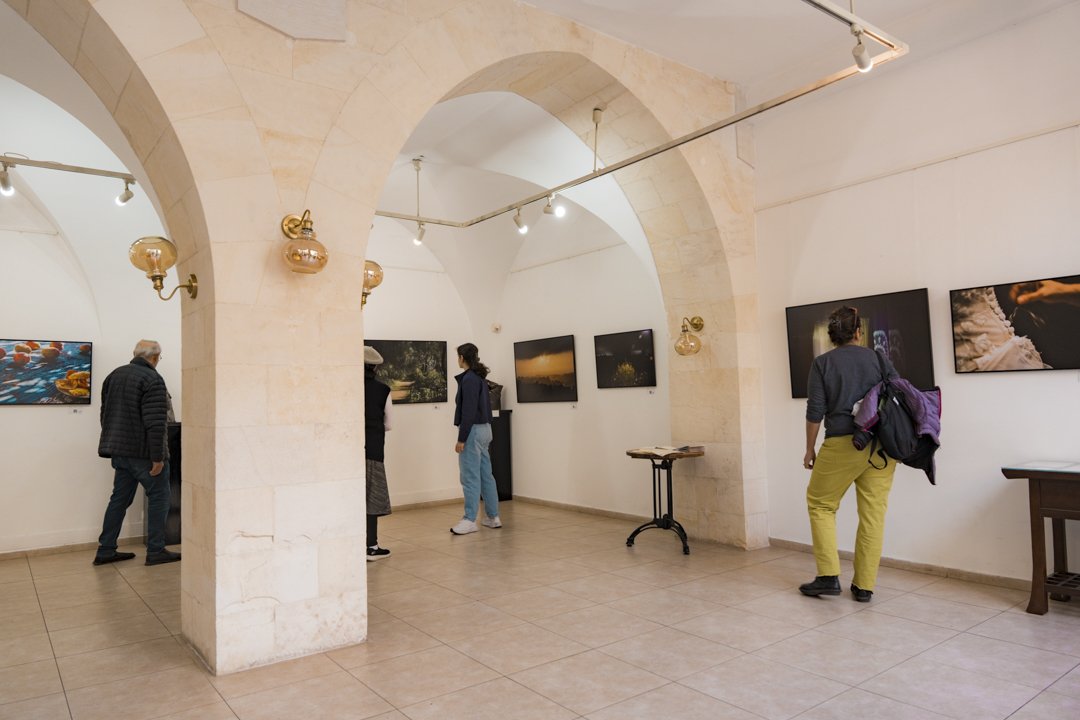

Narrative Photography: Capturing Stories Through the Lens
Introduction to Narrative Photography
Narrative photography is more than just capturing moments; it's about telling stories. This unique genre blends the beauty of photography with the power of storytelling, offering a window into diverse experiences and perspectives. Historically, it has evolved from mere documentation to an art form that conveys complex narratives, emotions, and messages through a single frame or a series of images.
Elements of a Compelling Narrative in Photography
At the heart of narrative photography lies the ability to convey a story. This involves more than just technical skills; it requires an understanding of visual storytelling. Composition plays a key role, guiding the viewer's eye and emphasizing key elements of the story. The subject matter, whether it's a person, object, or landscape, must resonate with the intended narrative and evoke emotions or thoughts in the viewer.
Techniques for Effective Narrative Photography
Effective narrative photography hinges on several key techniques. Lighting is crucial; it sets the tone and mood of the photograph, often dictating the emotional response of the viewer. Similarly, perspective and framing can alter the narrative, with different angles and viewpoints offering varied interpretations of the same story.
The Role of Characters in Narrative Photography
Characters are central to narrative photography. They are the subjects through whom stories are told and emotions are conveyed. Capturing the nuances of human expression and interaction can turn a simple photo into a powerful narrative piece. The way characters interact with their environment and each other can tell a story in itself.
Setting the Scene: Locations and Props
The choice of location and props significantly impacts the narrative. The setting can provide context and background for the story, while props can add depth and detail. Selecting the right environment and objects is crucial in creating a cohesive and compelling narrative.
Color Theory in Narrative Photography
Color plays a significant role in narrative photography. Different colors can evoke different emotions and set the tone for the story being told. The use of monochrome versus color also impacts the narrative, with each choice offering a different aesthetic and emotional appeal.
The Impact of Genre on Narrative Photography
Narrative photography spans various genres, each bringing its own style and storytelling methods. From portraiture to landscape, each genre offers unique opportunities for narrative expression. This section explores how different genres approach narrative photography.
Narrative Photography in the Digital Age
The advent of digital technology has revolutionized narrative photography. Digital cameras and editing software have expanded the possibilities for creating and manipulating narratives. Additionally, social media platforms have become powerful tools for sharing and engaging with narrative photography.
Case Studies of Famous Narrative Photographs
Analyzing iconic narrative photographs provides insights into successful storytelling techniques. This section delves into famous works, discussing the methods used and the stories they tell.
Ethical Considerations in Narrative Photography
Narrative photography often involves depicting real people and situations, raising important ethical questions. This section discusses the responsibility of photographers in portraying their subjects truthfully and sensitively.
Editing and Post-Processing for Narrative Enhancement
Post-processing can enhance or alter the narrative of a photograph. This section covers the tools and techniques used in editing, balancing artistic expression with authenticity.
Building a Narrative Photography Portfolio
For photographers looking to specialize in narrative photography, building a cohesive portfolio is key. This section provides tips on curating work and presenting stories in a compelling way.
Narrative Photography in Commercial Use
Narrative photography has significant applications in the commercial realm, particularly in advertising. This section explores how narrative techniques can enhance brand storytelling and engage consumers.
Workshops and Education in Narrative Photography
Learning narrative photography often involves workshops and mentorship. This section guides readers on finding educational resources and becoming part of a photography community.
Challenges and Overcoming Obstacles in Narrative Photography
Like any art form, narrative photography comes with its challenges. Common pitfalls and strategies for overcoming them are discussed here, emphasizing the importance of continuous learning.
The Future of Narrative Photography
Looking ahead, this section predicts emerging trends and changes in the landscape of narrative photography, considering technological advancements and shifting cultural contexts.
Narrative Photography FAQs
Addressing frequently asked questions, this section clears up common misconceptions and provides additional insights into narrative photography.
Conclusion: The Power of Narrative Photography
Narrative photography is a powerful medium that transcends traditional photography, offering a unique way to tell stories and connect with audiences. Aspiring photographers are encouraged to explore this genre and find their own narrative voice.
Narrative Photography
Visual Storytelling
Photography Techniques
Composition in Photography
Storytelling Through Photos
Digital Photography
Artistic Photography
Photographic Narratives
Creative Photography
Emotional Impact in Photography
Hashtags:
#NarrativePhotography
#VisualStorytelling
#PhotographyArt
#PhotoNarratives
#CreativePhotography
#DigitalPhotography
#PhotographyTechniques
#EmotivePhotography
#ArtisticPhotography
#PhotographyLovers

Capturing Stories: The Art of Narrative Photography
Introduction:
In the realm of visual arts, narrative photography stands as a poignant testament to the power of a single frame to tell a story. It's not just about capturing a moment, but about weaving a tale, engaging the viewer in a silent yet profound conversation. This art form transcends the mere act of photography; it's a journey into the soul of storytelling.
The Essence of Narrative Photography:
Narrative photography is the art of using images to tell a story. Each photograph is a chapter, a unique piece in the puzzle of a larger narrative. Unlike traditional photography, where a single image might stand alone in its beauty or impact, narrative photography strings together multiple frames to create a deeper context, an unfolding story.
The Silent Storytellers:
The power of narrative photography lies in its subtlety. The viewer becomes an active participant, reading between the lines, or in this case, between the pixels. Each image invites interpretation, evoking emotions, and sparking imagination. The narrative photographer is a silent storyteller, using light, shadow, composition, and subject to guide the viewer through a visual journey.
The Language of Light:
Light plays a critical role in narrative photography. It sets the mood, highlights emotions, and creates depth. The interplay of light and shadow can transform the mundane into the magical, guiding the viewer's eye and emotions through the narrative.
Crafting the Scene:
Setting the scene is crucial in narrative photography. It’s about choosing environments that add to the story, whether it’s the starkness of an empty street or the chaos of a crowded market. The backdrop becomes a character in itself, integral to the unfolding story.
Characters in Focus:
In narrative photography, every subject tells a part of the story. It could be the wrinkled face of an old man, a child's innocent gaze, or even a solitary tree against a vast landscape. These characters don't just fill the frame; they are the voice of the narrative.
The Dance of Composition:
Composition in narrative photography is like choreography in dance. It's about arranging elements harmoniously yet purposefully. The rule of thirds, leading lines, framing, and perspective – all these are tools in the narrative photographer's kit, each adding a layer to the story.
Embracing the Moment:
Narrative photography often thrives in the spontaneous. It's about being in the right place at the right time, with eyes open to the unfolding stories. Sometimes, the most compelling narratives are born from the most unexpected moments.
The Art of Editing:
Editing in narrative photography goes beyond correcting colors or adjusting brightness. It’s about choosing the images that best tell the story and arranging them in a way that makes the narrative flow. It’s a delicate balance between what to show and what to leave to the viewer’s imagination.
Conclusion:
Narrative photography is a symphony of artistic elements, each playing its part in telling a story. It's an invitation to pause, reflect, and dive into a world conveyed through images. As photographers, we are not just capturing moments; we are crafting narratives, one frame at a time.
In the end, narrative photography teaches us that every picture has a story to tell, and every story is a mosaic of moments waiting to be captured.

A special edition of Mangos
from On Our Journey Home series.
Title: Mangos (2020)
Size: 12" x 8" image on 14" x 11" sheet
Medium: Archival Pigment Print
Paper: Arches 88 Matte 100% Cotton Rag
Ink: Canon Lucia Pro Pigmented Ink
Printer: Thurston Print Lab, San Diego, CA USA
Edition: 15
Certificate of Authenticity signed by Artist Stamp
a plate of fruit sitting on top of a wooden table, professional fruit photography, mango, 1/30, tropical fruit, afternoon, afternoon light, crisp details, afternoon lighting, fruit, afternoon sun, evening light, yum, morning light, sunday afternoon, plates of fruit, sunny light, crisp detail, illustration!, turquoise and orange, eating rotting fruit

The Art of Placement: Displaying Michal Greenboim's Photography in Your Space
Selecting the Right Piece
Choosing the right photograph from Michal Greenboim's collection to complement your space is crucial. Consider the room's function, existing decor, and the mood you want to create when selecting a piece.
Framing and Presentation
The way Greenboim's photography is framed and presented can significantly impact its effect in a room. Explore different framing options to enhance the art's visual appeal and ensure it aligns with your interior design style.
Placing Art for Maximum Impact
The placement of art in a room is key to its impact. Greenboim's photography can be used as a focal point or to create balance and harmony in a space. Consider factors like lighting, viewing angles, and room layout when placing her artwork.

These high-quality prints are created using RA-4 Tradition Continuous Tone Photographic Printing on matte finish FUJI Crystal Archival Paper. They will arrive unframed and accompanied by a signed and numbered Certificate of Authenticity.
Paper size 14"x11" Open Edition
Conclusion: Elevating Interiors with Art
With the right selection, framing, and placement, Michal Greenboim's fine art photography can dramatically elevate the aesthetics of any interior space. Her work offers a perfect blend of beauty, emotion, and artistic expression.
Keywords:
Michal Greenboim Art Placement
Fine Art Photography Display
Interior Design Enhancement
Framing Artistic Photography
Room Aesthetics Improvement
Hashtags:
#MichalGreenboimArt
#ArtPlacement
#PhotographyDisplay
#InteriorDesignArt
#FramingPhotography

Collaborations and Exhibitions: Michal Greenboim's Influence in Art Spaces
Collaborating with Galleries and Designers
Michal Greenboim's collaborations with galleries and interior designers have brought her unique vision to a wider audience. Her ability to work alongside professionals in the art and design world has made her a sought-after artist for both private and public spaces.
Showcasing in Exhibitions
Greenboim's participation in art exhibitions has showcased her talent and vision, allowing her to reach new audiences and establish her place in the contemporary art world. These exhibitions offer a platform to experience her work in diverse settings.
Shaping Modern Art Spaces
Through her collaborations and exhibitions, Michal Greenboim is shaping the way we view and interact with art in modern spaces. Her fine art photography adds depth and character to any environment, from corporate offices to private homes.
Conclusion: A Growing Artistic Influence
Michal Greenboim's work in galleries, exhibitions, and collaborations highlights her growing influence in the art world. Her fine art photography is not just visually stunning; it's a significant contributor to the evolution of contemporary art spaces.
Hashtags:
#MichalGreenboimExhibitions
#ArtGalleryCollaboration
#FineArtInfluence
#ContemporaryArtSpaces
#ArtisticImpact

The Art of Storytelling Through the Lens - Exploring Narrative Photography Artists
Explore the captivating world of narrative photography artists who masterfully blend visual storytelling with artistic expression, offering a deeper insight into the human experience through their powerful photographic narratives."
Introduction In the rich tapestry of photographic arts, narrative photography stands out for its unique ability to tell compelling stories through images. This genre has gained traction among both artists and audiences for its profound impact in conveying emotions, stories, and cultural commentary through carefully composed visual narratives. This blog explores the world of narrative photography artists, highlighting their techniques, influences, and the powerful stories they tell.
The Essence of Narrative Photography Narrative photography transcends traditional photography by weaving complex tales into a single frame or a series of images. Unlike documentary photography that captures real-life events as they unfold, narrative photography often involves staged or constructed scenes that aim to evoke a specific emotional response or convey a message. It is akin to reading a short story, where each element in the photo is a carefully placed word or sentence contributing to a larger, compelling narrative.
Pioneers and Contemporary Masters Historically, artists like Cindy Sherman and Gregory Crewdson have set the benchmarks in narrative photography. Sherman’s "Untitled Film Stills" and Crewdson’s "Beneath the Roses" are quintessential examples of how narrative photography can be used to explore identity, social roles, and human emotions. Today, contemporary artists such as Annie Leibovitz and Steve McCurry continue to push the boundaries of this art form, capturing vibrant, thought-provoking images that narrate diverse human experiences and global cultures.
Techniques in Narrative Photography Narrative photographers often employ techniques akin to those used in cinema and theater. This includes the use of lighting, props, costumes, and setting to create a mood that complements the story. The composition and timing are meticulously planned to enhance the narrative being told. For instance, the use of color can convey mood, while the arrangement of subjects within the frame can guide the viewer’s eye and unfold the story sequentially.
Themes and Subjects The themes explored by narrative photographers are as diverse as the photographers themselves. From the exploration of personal and collective identities to commentary on societal issues, the range is vast. Some artists, like Dina Goldstein, use satire and surrealism to discuss cultural myths and gender roles, while others, like Pieter Hugo, delve into more raw and poignant themes of cultural and economic contrasts.

Impact on Society Narrative photography holds a mirror up to society, offering reflections that are sometimes stark and challenging, other times healing and hopeful. Through exhibitions, galleries, and published works, these photographs spark conversations and inspire change. They allow viewers to see from perspectives different from their own, bridging gaps across cultural and social divides.
Exhibitions and Collections Narrative photography has found its way into some of the world’s most prestigious galleries and museums, including the Museum of Modern Art (MoMA) in New York and the Tate Modern in London. These exhibitions often feature thematic collections that showcase the evolution of narrative photography and its impact over the decades.
Conclusion Narrative photography artists are not just photographers; they are storytellers, cultural commentators, and visual poets. Their work enriches the viewer's understanding of the world, provoking thought, emotion, and sometimes action. As this art form continues to evolve, it promises to keep offering new lenses through which we can view our world, telling stories that might otherwise go untold.

צילום אמנותי ועיצוב פנים: שילוב של יצירתיות ואסתטיקה The Modern Role of Artistic Photography in Interior Design
In the world of modern interior design, the integration of artistic photography has become a powerful tool to enhance and enrich any space, whether in commercial projects or private residences. As an artist and photographer, I collaborate with interior designers to create spaces where every piece of art functions as part of the overall design, transmitting emotion and character.
Interior designers choose to collaborate with artistic photographers because photographs can add depth, color, and new textures to any project. Artistic photographs express the feelings of a space, highlight content and textures, and thus create an irreplaceable visual experience. They serve to tell stories and give the space a unique and personal identity that reflects both the client's and the designer's signature.
In commercial projects, artistic photographs are used to promote brands and enhance the atmosphere. They attract the attention of clients and maintain a consistent and impressive design line. In private homes, photographs deepen the personal connection of the homeowners with their space, allowing them to reflect their interests and passions through visual art.
The combination of artistic creativity and design professionalism ensures that each project is not only unique but also adds real value. The creative process is inspiring and allows all involved to explore and expand the boundaries of interior design, advancing the understanding that design is not only functional but also artistic and emotive.
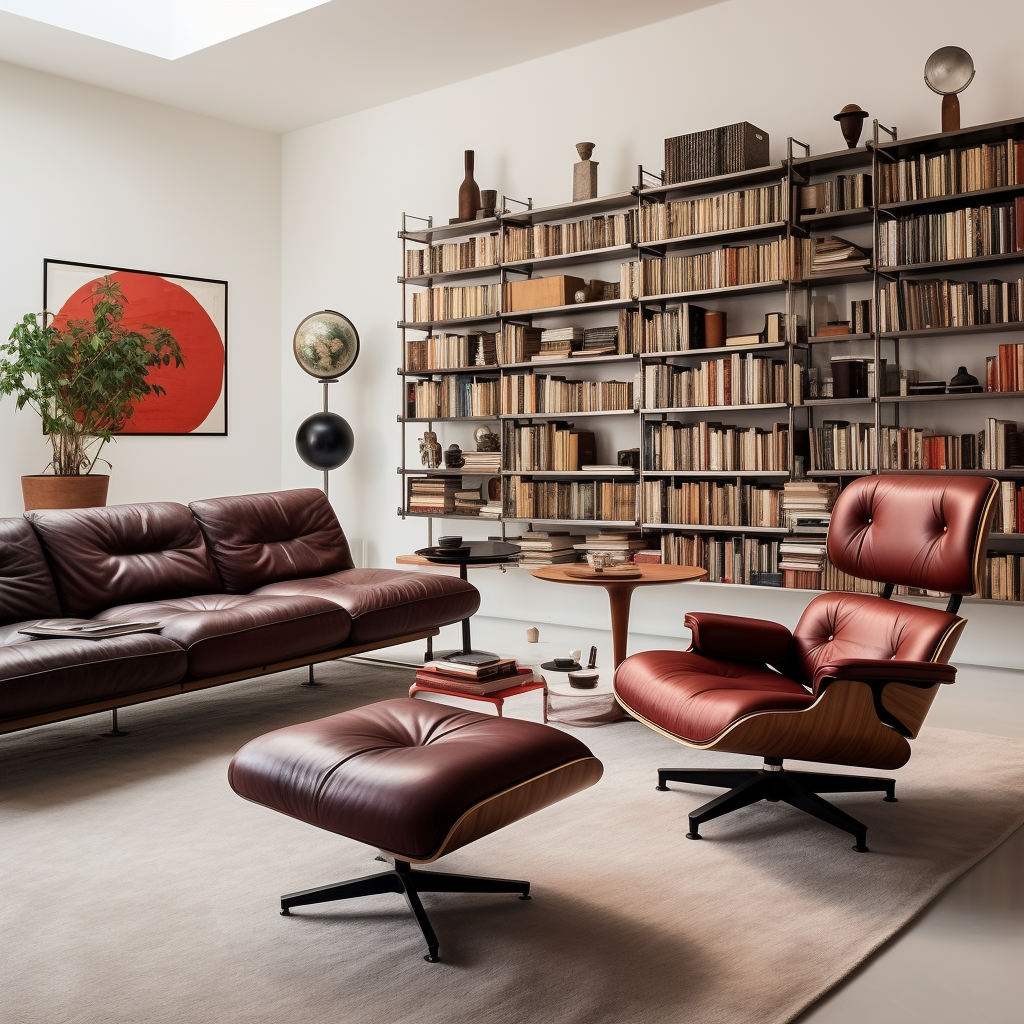
בעולם העיצוב הפנים המודרני, שילוב של צילום אמנותי הפך לאחד הכלים החזקים ביותר להעצים ולהעשיר את המרחב, הן בפרויקטים מסחריים והן בפרטיים. כאמנית צילום, אני משתפת פעולה עם מעצבי פנים ליצירת חללים שבהם כל יצירה ויצירה מתפקדת כחלק מהעיצוב הכולל ומשדרת רגש ואופי.
מעצבי הפנים בחרו לשתף פעולה עם צלמים אמנותיים מכיוון שצילומים יכולים להוסיף עומק, צבע וטקסטורות חדשות לכל פרויקט. צילומי מבטאים את תחושות החלל, מדגישים תכנים ומרקמים, ובכך יוצרים חוויה חזותית שאין לה תחליף. הם משמשים כדי להעביר סיפורים ולהעניק לחלל זהות ייחודית ואישית שמעבירה את חותם הלקוח והמעצב כאחד.
בפרויקטים מסחריים, צילומים אמנותיים משמשים לקידום מותגים ולשדרוג האטמוספירה. הם מושכים את תשומת לב הלקוחות ושומרים על קו עיצובי עקבי ומרשים. בבתים פרטיים, צילומים מעמיקים את הקשר האישי של בעלי הבית עם המרחב שלהם, מאפשרים להם לשקף את תחומי העניין והתשוקות שלהם דרך אמנות חזותית.
השילוב בין יצירתיות אמנותית למקצועיות עיצובית מבטיח שכל פרויט יהיה לא רק ייחודי אלא גם בעל ערך מוסף אמיתי. התהליך היצירתי מעורר השראה ומאפשר לכל המעורבים לחקור ולהרחיב את הגבולות של עיצוב הפנים, ולקדם את ההבנה שעיצוב אינו רק פונקציונלי אלא גם אמנותי ומרגש.
.


As a tribute to all the innocent lives that were lost on the seventh of October 2023
In the shadow of my father, I understood the sacred duty he bore in the army: to rescue the fallen and give them their last rest. This duty is etched in my memory, woven into the melancholy songs sung by his friends, a testament to the shared burden between them. This legacy of mourning re-echoed on a sad day in October, when the "Chevre Kadisha" company carried out its sacred mission in southern Israel, collecting the remains of the innocent following the terrible act of Hamas. Among the stories of loss, one story burned itself into my consciousness: 30 little black bags, each a silent testament to the lives of babies tragically cut short, a horrifying reminder of the senseless cruelty of conflict. This story left an indelible impression on me, and inspired me to create a work of art - a baby in a plastic bag -

In the wake of such heartache, my instinct was to cover the stinging pain with a semblance of beauty—to cover the stinging reality with flowers. I chose not to show the original, creepy image but to invite the viewers to look beyond the delicate veil of the rash. I hope that in the interplay of beauty and tragedy, the viewer is moved to ponder the hidden depths and feel the deep loss without confronting its powerful horror. The flowers are not just a shroud but a symbol. They represent resilience, a stark contrast to violence, and a tribute to the enduring spirit of the innocent.
as a tribute to all the innocent lives that were lost on the seventh of October 2023

The Capturing Strength in Adversity: A Photography Workshop and AI -Bible Lands Museum Jerusalem
Join Michal Greenboim's workshop journey, blending photography with AI to empower Israel's youth in Ofakim amidst adversity, echoing resilience through art.
Last week, I led a poignant photography and AI workshop in Ofakim, Israel, at the Bible Lands Museum, Jerusalem. Amidst tension, three brave teens from Ofakim shared their harrowing experiences of conflict. To foster resilience, we photographed museum artifacts, overlaying images with the Israeli flag, symbolizing our enduring spirit. These photos, blending ancient heritage with modern symbolism, reflect the unbreakable connection between the Israeli people and our land. Despite fear, Ofakim's residents showcased creativity and strength, proving that together, we can overcome adversity and preserve our legacy.
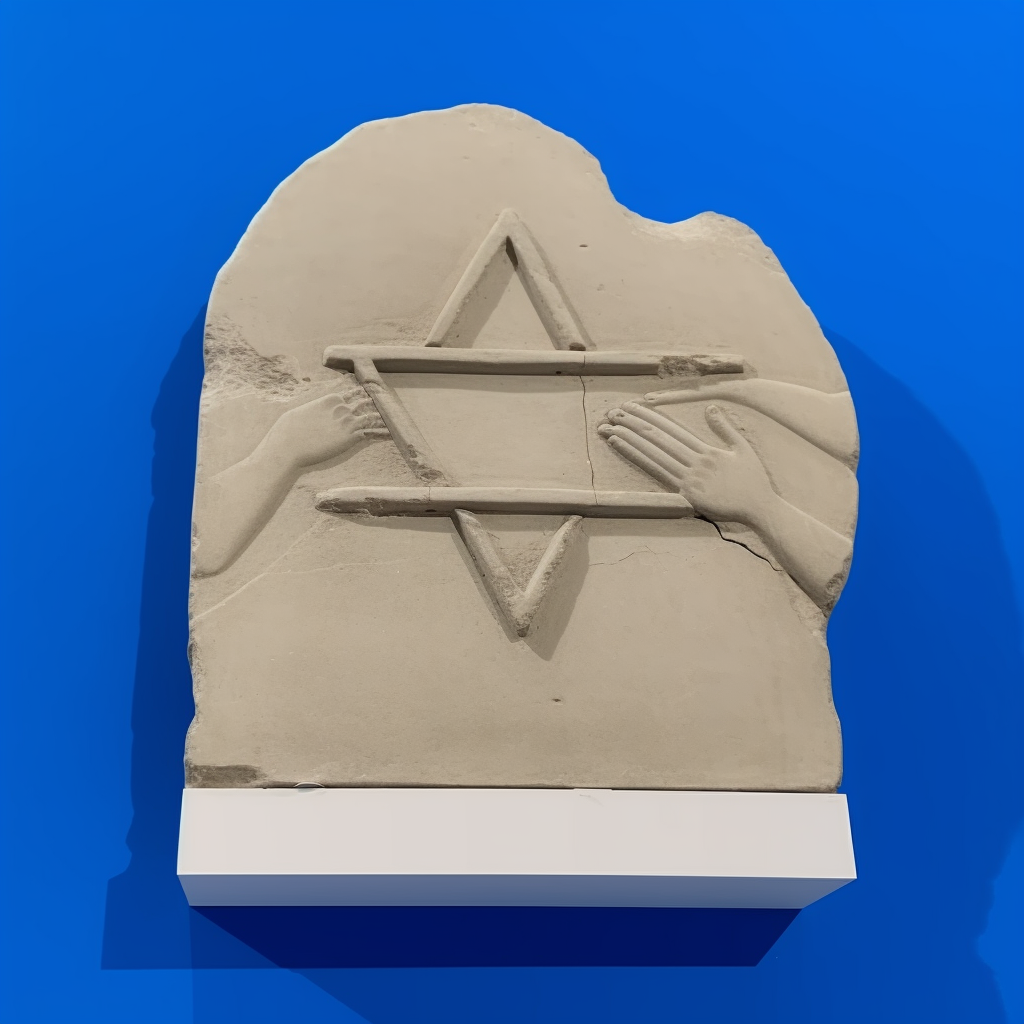
Last week, I had the privilege of conducting a photography and artificial intelligence workshop for the resilient residents of Ofakim, nestled in the heart of southern Israel. The workshop took place at the historical Bible Lands Museum in Jerusalem, serving as a poignant backdrop for a transformative experience.
Among the participants were three courageous teenagers from Ofakim who shared a heart-wrenching tale. On October 10th, locked in their bomb shelter, they were gripped with fear as they heard the echoes of terrorists armed with guns and grenades roaming their very streets. The threat of harm and intrusion into their homes haunted their minds, leaving an indelible mark on their young souls. My heart went out to them, understanding the depth of their fears.
In an effort to inspire a sense of strength and resilience, I encouraged these teenagers to explore the museum, capturing images of the intriguing artifacts that lay before them. As we reviewed their photographs, we decided to infuse each image with the grandeur of the Israeli flag. The juxtaposition of ancient relics and the flag fluttering with pride served as a powerful symbol of the remarkable endurance of our people across 3700 years of history.
Through the lens of these photographs, I witnessed the profound connection that exists between the people of Israel, represented by our national flag, and the timeless land upon which we stand. The stones, like witnesses to our collective journey, radiate strength and determination. These images remind me of the significant role our people have in shaping the future of our world.
In the face of adversity and uncertainty, the denizens of Ofakim displayed an unwavering spirit. Their willingness to rise above fear, engaging in a creative endeavor amidst the backdrop of our nation's cultural heritage, is a testament to the resolute bond that binds our people together.
As we navigate the complexities of life, these captured moments serve as a powerful reminder of the unyielding perseverance and strength that flows through our veins. Together, we emerge stronger, ready to face any obstacle and forge a future worthy of our enduring legacy.
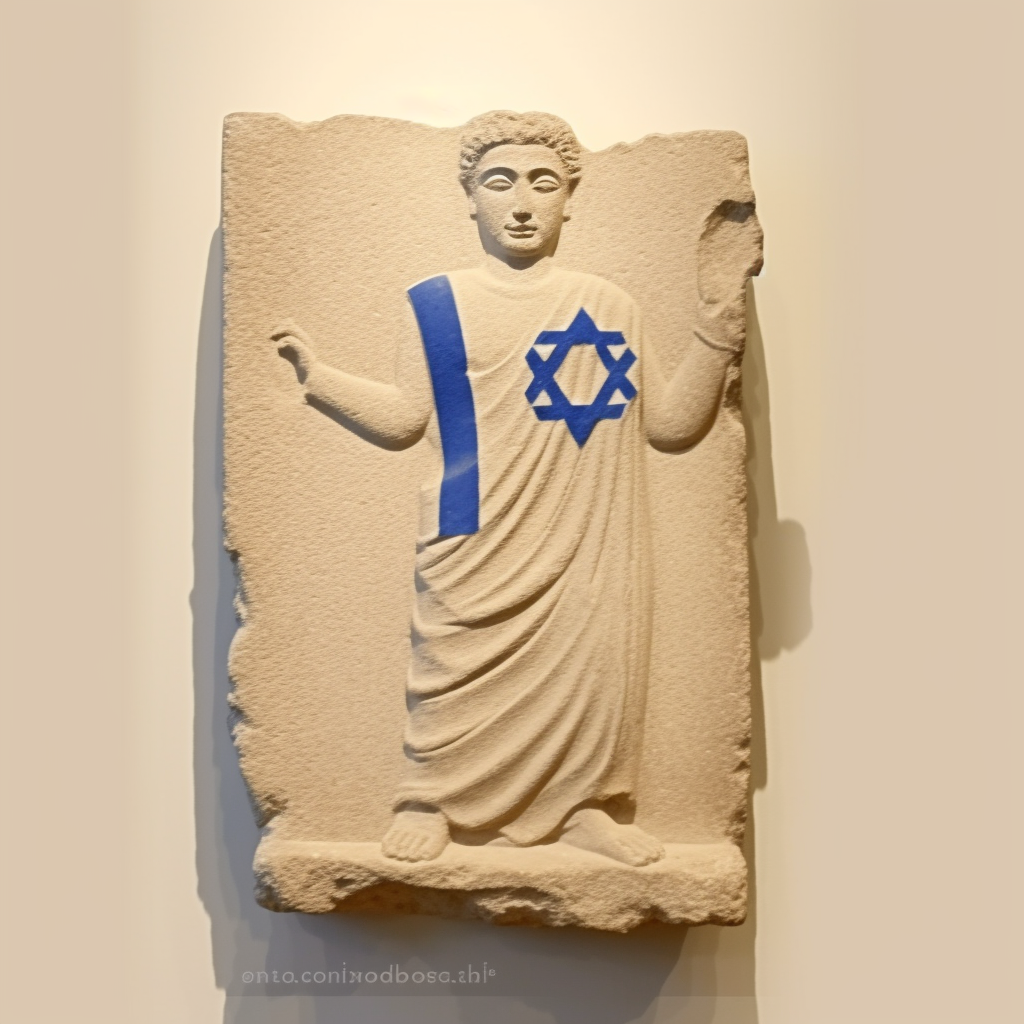


בשבוע שעבר העברתי סדנת צילום ובינה מלאכותית לתושבי אופקים שבדרום ישראל. הסדנה נערכה במוזיאון ארצות המקרא שבירושלים. הגיעו שלושה בני נוער מאופקים שסיפרו על חוויה מזעזעת. ב7 באוקטובר, הם ננעלו בחדר המוגן מפחד המחבלים שהסתובבו ברחוב שלהם עם רובים ורימונים. הם פחדו שהמחבלים יכנסו אליהם הביתה ויפגעו בהם.
הסיפור שלהם נגע בי
ביקשתי מהם להסתובב במוזיאון ולצלם את המוצגים השונים. לאחר מכן בחרנו בכמה מהתמונות ושילבנו אותם עם תמונה של דגל ישראל. השילוב של העתיקות ודגל ישראל הזכיר לי את עמידות העם היהודי, ששרד 3700 שנה. דרך התמונות, אני רואה את הקשר של עם ישראל, שהדגל מייצג אותו, לארץ ישראל, שהאבנים מייצגות אותה.
זה נותן לי כח ומזכיר לי את התפקיד החשוב שיש לעם שלנו בעתיד העולם.


A Musical Celebration: Creating a Unique 40th Birthday Song with Suno.ai to Tzofia
#AI #Music #Personalization #BirthdayCelebration #SunoAI #CustomizedSong #AIComposition #40thBirthday #Celebration #Technology
Turning 40 is a significant milestone, and what better way to celebrate than with a personalized birthday song? In this case study, we'll explore how Suno.ai, a cutting-edge AI technology, was used to craft a one-of-a-kind birthday melody for a dear friend's 40th celebration.
The Challenge: Making a Birthday Special for tzofia
When a close friend was about to turn 40, the desire to make the celebration unique and memorable was paramount. Traditional gifts and generic birthday songs just wouldn't do. The goal was to create something personalized, something that would resonate with the birthday person and leave a lasting impression.
The Solution: Suno.ai
Suno.ai, an AI-powered music composition platform, provided the perfect solution. With its intuitive interface and advanced algorithms, it allowed for the creation of a customized birthday song that captured the essence of the celebrant's personality and interests.
Step 1: Understanding the Preferences
The process began by gathering information about the birthday person's musical tastes, hobbies, and favorite memories. These insights served as the foundation for the song's lyrics and melody.
Step 2: Crafting the Lyrics
Using the gathered information, a set of personalized lyrics was written. The words were carefully chosen to reflect the celebrant's journey, achievements, and the joy of entering a new decade.
Step 3: Composing the Melody
Suno.ai's technology was then employed to compose a melody that matched the lyrics' sentiment. Various musical styles were explored, and a tune that resonated with the celebrant's taste was selected.
Step 4: Finalizing the Song
With the lyrics and melody in place, the song was fine-tuned and produced. Suno.ai's advanced features allowed for adjustments in tempo, key, and instrumentation, resulting in a polished and professional final product.
The Result: A Birthday to Remember
The personalized birthday song was a hit! It not only added a special touch to the celebration but also became a cherished memory. The joy and surprise on the friend's face when hearing the song were priceless, making the 40th birthday truly unforgettable.
Conclusion: The Power of Personalization with AI
This case study demonstrates the incredible potential of AI in adding a personal touch to celebrations and gifts. Suno.ai's technology made it possible to create a customized birthday song that was both meaningful and memorable. In an age where personalization is key, AI offers endless possibilities to make special occasions even more special.
#AI #Music #Personalization #BirthdayCelebration #SunoAI #CustomizedSong #AIComposition #40thBirthday #Celebration #Technology
How to ….











געה לגיל 40 היא אבן דרך חשובה, ואיזו דרך טובה יותר לחגוג מאשר עם שיר יומולדת אישי? במחקר זה נחקור איך Suno.ai, טכנולוגיה מתקדמת של אינטליגנציה מלאכותית, הופכת לשיר יומולדת ייחודי לחגיגת ה-40 של חבר יקר.
האתגר: להפוך יומולדת למיוחד
כאשר חבר קרוב התקרב לגיל 40, הרצון להפוך את החגיגה לייחודית ובלתי נשכחת היה עליון. מתנות רגילות ושירי יומולדת כלליים פשוט לא היו מספיקים. המטרה הייתה ליצור משהו אישי, משהו שיתקלט עם חוגג היומולדת וישאיר רושם נשכח.
הפתרון: Suno.ai
Suno.ai, פלטפורמה להלחנה באמצעות אינטליגנציה מלאכותית, סיפקה את הפתרון המושלם. עם ממשק נוח ואלגוריתמים מתקדמים, היא אפשרה את יצירת שיר יומולדת מותאם אישית שתופס את עצם אישיותו וענייניו של החוגג.
שלב 1: הבנת ההעדפות
התהליך החל באיסוף מידע על טעמי המוזיקה, התחביבים והזיכרונות האהובים על חוגג היומולדת. התובנות אלו שימשו כבסיס למילים וללחן של השיר.
שלב 2: כתיבת המילים
באמצעות המידע שנאסף, נכתבו מילים אישיות. המילים נבחרו בקפידה כך שישקפו את מסעו, הישגיו ושמחת הכניסה לעשור חדש של החוגג.
שלב 3: הלחנת הלחן
טכנולוגיית Suno.ai הופעלה לאחר מכן כדי להלחין לחן שיתאים לרגשות המילים. סוגים שונים של מוזיקה נחקרו, ונבחרה נגינה שתתאים לטעם של החוגג.
שלב 4: סיום השיר
עם המילים והלחן במקום, השיר הושלם והופק. התכונות המתקדמות של Suno.ai אפשרו לבצע התאמות בקצב, במפתח ובכלי נגינה, והביאו למוצר סופי מלוטש ומקצועי.
התוצאה: יומולדת לזכור
השיר האישי ליומולדת היה להיט! הוא לא רק הוסיף מגע מיוחד לחגיגה אלא גם הפך לזיכרון יקר. השמחה וההפתעה על פני החבר בעת שמיעת השיר היו בלתי נשכחים, והפכו את היומולדת ה-40 לבלתי נשכחת באמת.
הסיכום: כוח ההתאמה האישית עם AI
פוטנציאל המדהים של האינטליגנציה המלאכותית בהוספת מגע אישי לחגיגות ולמתנות. טכנולוגייתה Suno.ai עכשיו אפשרי ליצור שיר יומולדת מותאם אישית שהיה נשמע ונזכר. בעידן שבו ההתאמה האישית היא המפתח, -AI מציע אפשרויות בלתי נגמרות להפוך את האירועים המיוחדים ליותר מיוחדים.
#אינטליגנציהמלאכותית #מוזיקה #התאמהאישית #חגיגתיומולדת #SunoAI #שירמותאםאישית #הרכבתAI #יומולדת40 #חגיגה #טכנולוגיה

Exploring the Enigmatic Beauty of Abstract Expressionism Photography
Allow me to take you on a personal journey, a transformative encounter that opened my eyes to the captivating realm of Abstract Expressionism Photography. Picture a crisp autumn day, when I found myself wandering through an art gallery nestled in the heart of the city. Amidst a tapestry of vibrant brushstrokes and striking colors, one particular photograph seized my attention. Devoid of recognizable subjects, it beckoned me closer, sparking a deep emotional response within. In that transcendent moment, I discovered the enchanting power of Abstract Expressionism Photography—an extraordinary genre that challenges traditional visual norms, embraces subjective interpretation, and invites us to explore the limitless possibilities of artistic expression through the lens of a camera. Join me in this blog as we embark on a remarkable odyssey through the enigmatic beauty of Abstract Expressionism Photography, delving into its origins, exploring its key characteristics, and celebrating the unfettered creative freedom it bestows upon photographers.
Origins of Abstract Expressionism Photography: The origins of Abstract Expressionism Photography can be traced to the abstract expressionist movement that flourished in the mid-20th century. Inspired by luminaries such as Jackson Pollock, Mark Rothko, and Willem de Kooning, photographers sought to break free from the confines of literal representation and embrace the boundless realm of abstraction. Like the painters who blazed the trail before them, these photographers unleashed their emotions and instincts, capturing the essence of a moment through non-representational forms, evocative compositions, and captivating visual elements.

Key Characteristics of Abstract Expressionism Photography: At the heart of Abstract Expressionism Photography lie several key characteristics that define its captivating allure:
Emotion over Representation: Abstract Expressionism Photography transcends the mere replication of reality, prioritizing the evocation of deep emotions over the depiction of recognizable subjects. Through skillful composition, masterful use of form, color, and texture, photographers create images that transcend literal interpretation, inviting viewers to connect with their own unique emotions and experiences.
Intuitive and Spontaneous: In the spirit of abstract expressionist painters, photographers embrace intuition and spontaneity as their guiding forces. They employ techniques such as intentional camera movement, multiple exposures, and selective focus to capture fleeting moments, allowing the image to become a true reflection of their artistic instincts and emotional resonance.
Experimentation and Innovation: Abstract Expressionism Photography celebrates experimentation and innovation, empowering photographers to break free from traditional techniques and explore uncharted territories. From alternative processes to negative manipulation and unconventional equipment, this genre emboldens artists to push the boundaries, resulting in striking and visually arresting imagery that defies expectations.
Focus on Composition and Form: Composition plays a pivotal role in Abstract Expressionism Photography, with photographers deliberately crafting interplays of shapes, lines, and textures. The absence of recognizable subjects invites viewers to revel in the visual harmony of formal elements, creating a profound sensory experience that transcends conventional boundaries.
Creative Freedom in Abstract Expressionism Photography: One of the most captivating aspects of Abstract Expressionism Photography is the immense creative freedom it offers to photographers. It provides a sanctuary for self-expression, enabling artists to break away from established conventions and delve deep into their unique artistic visions. This genre encourages experimentation, beckoning photographers to push the boundaries of traditional techniques and challenge preconceived notions of what a photograph should be. By embracing abstraction and subjective interpretation, photographers can create images that are visually captivating and deeply personal, forging an intimate connection between the viewer and the essence of the image.
Conclusion: Embarking on a voyage through Abstract Expressionism Photography unravels a world of unbounded artistic expression. This genre defies convention, evokes powerful emotions, and invites viewers to embark

WHAT IS FINE ART PHOTOGRAPHY?
I'm always looking for ways to elevate living spaces and create an atmosphere that is both beautiful and sophisticated. Recently, The beauty of Fine art photography is a unique way to add personality and depth to your living space. Each photograph captures a moment in time and tells a story that can transport you to another place and time. From minimalist black and white compositions to vibrant street photography, there's a fine art photograph to suit every taste and decor style.

These high quality prints are created using RA-4 Tradition Continuous Tone Photographic Printing on matte finish FUJI Crystal Archival Paper. They will arrive unframed and accompanied by a signed and numbered Certificate of Authenticity. Smallest option is 14"x11" paper, 12.5"x4.5" image, other sizes are limited edition and no-borders.
Paper size 14"x11" Image size 12.5"x4.5" Open Edition
Paper size 19"x13" Image size 17"x6" Open Edition
Paper size 24"x8" Image size 24"x8" limited Edition of 9
Paper size 36"x12" Image size 36"x12" limited Edition of 6
One-of-a-kind framed options and larger prints available. Please contact the artist for more information.
100% customer satisfaction guarantee, 30-day returns.
Through my photography, I am be able to capture moments and emotions that are deeply connected to my childhood memories. For example, my photograph of the girl playing the piano, combined with the image of water, perfectly captures the feeling of being lost in the music and carried away by its beauty.
This connection to childhood memories is something that many people can relate to. For many of us, childhood is a time of magic and wonder, where anything is possible. And through my fine art photography, I am be able to tap into that magic and create works of art that evoke those same feelings.
The dipthych photography I created, with the image of water representing the spread of music into the world, is a beautiful example of the power of storytelling through fine art photography. It tells a story of the beauty and universality of music, and the way it can connect us all.
When it comes to living room wall art, fine art photography is a beautiful addition. It offers a way to infuse the living space with art that is not only visually stunning but also thought-provoking. Plus, it can serve as a conversation starter for guests, giving them a glimpse into your personal perspective on the world.
But it's not just about finding a piece that matches the decor. Fine art photography is a way to challenge conventions and push boundaries. By using conceptual ideas, photographers can create works of art that explore themes such as identity, culture, and societal norms.
Incorporating fine art photography into a living space has transformed it into a place of magic and wonder. Each photograph tells a unique story and offers a glimpse into the photographer's perspective, creating a sense of intimacy and connection with the viewer.


Ukraine Crisis Through the Lens of AI: Raising Awareness with Compelling Visuals
My heart was touched by the Ukraine crisis; at the outset of the conflict, I was part of an organization that helped people find their relations in the conflict zone in Ukraine and arranged buses to transport people away from the area. And when refugees finally managed to flee their perilous situation and appear in Israel, we were searching for temporary lodging, clothing, and food for them.
The Ukrainian conflict is still continuing after a year. It is no longer the most important tale in the world, but the voice must be heard, so I used artificial intelligence to make a sequence of images that tell the story. The photos aren't genuine but they look to be the work of a photographer.
In any event, I raised awareness, and the goal was accomplishe
You can view a genuine photo essay of my work on another. international issue here.

The Importance of Emotion in Fine Art Photography: Tips for Creating Impactful Images
In my previous book “On Our Journey Home” , I used flowers to demarcate the chapters ; each flower's hue represented the chapter's mood. Since the first chapter is about dread, for instance, the majority of the images are in a dark, unsettling blue. and the flower, which is the same color as the eye observing you, resembles it.
The main goal of fine art photographs is to express feelings viscerally. Fine art photography has the ability to move and inspire viewers by evoking feelings of joy, sadness, wonder, or awe, producing images that are not only lovely but also profoundly significant and memorable.
This blog post will discuss the significance of emotion in fine art photography and offer some advice and tips for producing images that have an effect on your audience.
Why Emotion Matters in Fine Art Photography

A special edition of Vivid War,
from On Our Journey Home series.
Title: Vivid War (2020)
Size: 12" x 8" image on 14" x 11" sheet
Medium: Archival Pigment Print
Paper: Arches 88 Matte 100% Cotton Rag
Ink: Canon Lucia Pro Pigmented Ink
Printer: Thurston Print Lab, San Diego, CA USA
Edition: 15
Certificate of Authenticity signed by Artist Stamp
Because it makes the viewer feel something, emotion is a crucial component of fine art photos. We are drawn into the picture and interact with it more deeply when we view a photograph that makes us feel strongly. In order to give an image a feeling of narrative and meaning, emotion can also be used to convey a message or tell a story.
How to Infuse Emotion into Fine Art Photography
Select the appropriate subject matter. Depending on what it is, the subject matter of your photograph can elicit a variety of feelings. Consider the message you want to convey with your photo, then select a topic that will support that message.
Use color to create mood - Colors can have a strong influence on our emotions, so use them strategically in your photography to create the mood you want. Warm hues, such as reds, yellows, and oranges, can evoke feelings of vigor and excitement, whereas cool hues, such as blues and greens, can evoke peace and serenity.
Play around with light and shadow because it can greatly affect the emotional impact of your picture. To achieve the desired atmosphere, take into account the time of day, the direction of the light, and the quality of the light. To give your picture depth and drama, use shadows.
Be mindful of your photographic composition because it can affect the emotional effect of the picture. Consider your subject's placement, the shot's framing, and the composition's general harmony and balance.
Finally, don't neglect to draw inspiration from your own feelings as you develop your images. Take pictures of the things that inspire you and make you feel passionately, and your viewers will be able to sense that in your work.
Emotion is a critical element in fine art photography, and by using the right techniques and subject matter, you can create images that are not only visually stunning but also emotionally impactful and memorable. So the next time you pick up your camera, think about the emotions you want to convey, and let them guide you in creating images that truly move and inspire your audience.

On Our Journey Home: Why I Created a Fine Art Photobook to Preserve My Family's Immigration Story

First Hardcover Edition. S
Pages/size: 120 pages, 11″ x 8.5″
Text printing: 4-color printing throughout on 80-lb. white uncoated stock
Binding: Hard Cover, Perfect bound
A photography book printing featuring photos from the project “On Our Journey Home” accompanied by inspired quotes of the philosopher Rachel Else Freund.
From the early days of the journey, filled with uncertainty and fear, to the final moments of arrival in their new home, the photobook captures the essence of my family's journey in a way that words alone could not.

Capturing the Unseen: Exploring the Emotions in Fine Art Photography

Fine art photography is all about capturing emotions and telling stories through visual images. It's a way to express feelings and convey messages without using words. In this blog post, we'll explore how fine art photographers use their creativity and imagination to capture emotions in their work, and how you can do the same.
One way that photographers capture emotions in their work is through the use of color. For example, in your portfolio 'On Our Journey Home' book project, you showcased dark blue images in the first chapter to represent fear and the unknown. Blue is often associated with feelings of sadness, isolation, and coldness, which can be used to great effect in photography to create a mood of unease or apprehension. Conversely, in the last chapter, you used colors to convey hope and positivity, which can uplift and inspire the viewer.
Another way that photographers capture emotions is through the use of light and shadow. For instance, a photograph with deep shadows and stark contrast can create a sense of mystery or foreboding, while a softly lit image with pastel tones can evoke feelings of calm and tranquility.
Composition is also used by many fine art photographers to convey emotions in their work. A photograph with a subject off-center and looking away from the camera, for example, can evoke feelings of longing or nostalgia, whereas a photograph with a subject in the center and looking directly at the viewer can evoke feelings of intimacy or confrontation.
Consider some other fine art photographers who have mastered the art of capturing emotions in their work.
Cindy Sherman is well-known for her self-portraits in which she transforms herself into different characters and explores themes of identity, gender, and society. Her photographs are frequently disturbing and confrontational, eliciting strong emotional responses from viewers.
Gregory Crewdson: Crewdson's photographs are like stills from a movie, with cinematic lighting and carefully staged scenes that create a sense of tension and unease. His work explores themes of suburban life, isolation, and the human condition.
Sebastião Salgado: Salgado's black-and-white photographs document the lives of people around the world, from workers in mines and factories to refugees and survivors of war. His images are often gritty and raw, but also deeply empathetic and emotional.
As you can see, there are many ways to capture emotions in fine art photography, from the use of color and light to composition and subject matter. By exploring these techniques and experimenting with your own photography, you can create images that are not only beautiful but also deeply moving and impactful.

A special edition of Glimmering Sea,
from On Our Journey Home series.
Title: Glimmering Sea(2020)
Size: 12" x 8" image on 14" x 11" sheet
Medium: Archival Pigment Print
Paper: Arches 88 Matte 100% Cotton Rag
Ink: Canon Lucia Pro Pigmented Ink
Printer: Thurston Print Lab, San Diego, CA USA
Edition: 15
Certificate of Authenticity signed by Artist Stamp

A special edition of Fear,
from On Our Journey Home series.
Title: Fear (2020)
Size: 12" x 8" image on 14" x 11" sheet
Medium: Archival Pigment Print
Paper: Arches 88 Matte 100% Cotton Rag
Ink: Canon Lucia Pro Pigmented Ink
Printer: Thurston Print Lab, San Diego, CA USA
Edition: 15
Certificate of Authenticity signed by Artist Stamp

Exploring the Creative Possibilities of AI Mid-Journey Images in Fine Art Photography
I've always been fascinated by the power of images as a fine art photographer. The ability to create art through visual storytelling inspires me the most, but I've never been sure if my creativity could ever compare to that of painters, who can create anything they can conjure up from scratch. Since I'm not very good at painting, photography has been my main form of self-expression.
But as technology advanced, I became more fascinated by the novel photographic opportunities AI offered. By using AI mid-journey photographs, I was able to expand my creative options and take my images to new levels.
With AI, I can now combine my ideas and vision with a powerful machine that can generate and manipulate images in ways I never thought possible. The results I have achieved using AI have allowed me to create art that is truly unique, evocative, and meaningful.
AI technology has allowed me to create images that are completely original, yet at the same time, still hold true to my artistic vision. While AI may be a machine, it has allowed me to explore new dimensions of creativity and unlock new potential in my work.
Some may argue that the use of AI takes away from the authenticity of the artist's work, but I believe that it's all about how you use it. AI is just another tool, like a paintbrush or a camera, and it is up to the artist to decide how to wield it to create their vision.
As an artist who is always looking to push the boundaries of creativity, I am excited to see where AI will take me in the future. With endless possibilities and new frontiers to explore, I believe that AI and fine art photography can work together to create truly awe-inspiring works of art.